
Before photography and film, religion was the holy vessel through which stories of the divine were shared. Perhaps one of the most religiously rich subjects of Western painting is the figure of Jesus Christ. From Christian mosaics of early centuries to recent surrealist portraits, the painting of Jesus has taken on countless forms, each one characterized by the culture, theology, and sensibility of its time. These works of art are not just paintings of devotion; they are gateways to understanding the ways that humanity has grappled with divinity, suffering, hope, and redemption over the centuries. In this guide, we examine the most iconic Jesus paintings through time—masterpieces that continue to instill awe, reflection, and devotion.
Christ Pantocrator – The Ruler of All (537 AD)
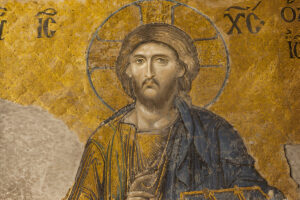
- Where: Hagia Sophia, Istanbul
- Style: Byzantine Iconography
The Last Supper – Leonardo da Vinci (1495–1498)
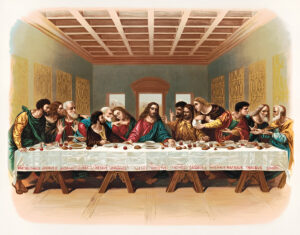
- Location: Santa Maria delle Grazie, Milan
- Style: High Renaissance
Salvator Mundi – Leonardo da Vinci (1499–1510)
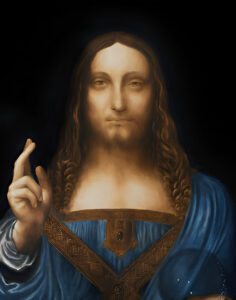
- Location: Louvre, Abu Dhabi
- Style: High Renaissance
Christ Carrying the Cross – El Greco (1580)
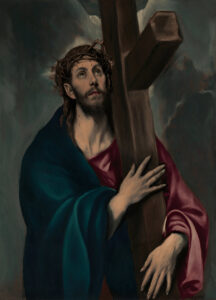
- Location: Metropolitan Museum of Art
- Style: Mannerism
The Last Judgment – Michelangelo (1536–1541)
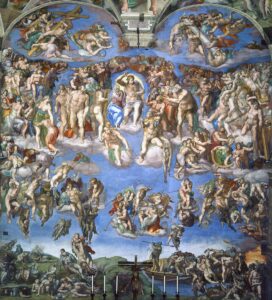
- Location: Sistine Chapel, Vatican City
- Style: High Renaissance
Head of Christ – Rembrandt (1640s)
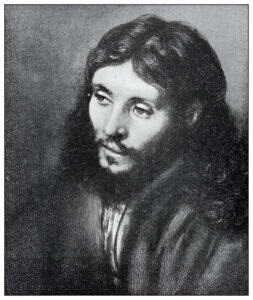
- Location: Gemäldegalerie, Berlin
- Style: Dutch Golden Age
The Yellow Christ – Paul Gauguin (1889)
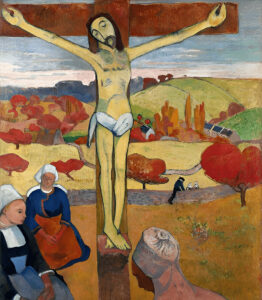
- Location: Albright-Knox Art Gallery, NY
- Style: Symbolism
Christ of Saint John of the Cross – Salvador Dalí (1951)
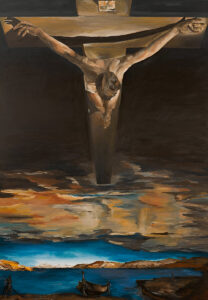
- Location: Kelvingrove Art Gallery, Glasgow
- Style: Surrealism
Ecce Homo – Antonio Ciseri (1871)
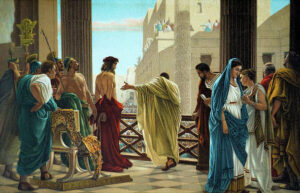
- Location: Pitti Palace, Florence
- Style: Italian Purism
Jesus in Paintings: Evolution From Icon to Everyman
Through the centuries, the depiction of Jesus in paintings has evolved from divine majesty to intimate humanness. The ancient iconography, e.g., Christ Pantocrator, renders Him a ruler and judge. Renaissance painters Raphael and Michelangelo mixed human and divinity to richer effect. Modernists and surrealists like Gauguin and Dalí redefined Christ as a representation of existential and spiritual crisis. And artists like Rembrandt and Hofmann presented us with Jesus in moments of introspective contemplation or private prayer. It's a Jesus praying painting or a victorious resurrection scene. Each painting of Jesus presents a fresh theological perspective—a new way of experiencing the sacred.
Why These Iconic Jesus Paintings Are Relevant Even Today
These works stand not only on the merit of their artistic greatness but on their power to speak in terms that are understood by generations. They challenge us to see, to know, and to consider Jesus not just as a religious figure but as a transcendent figure of love, grieving, and forgiveness. As weapons of piety, social commentary, and emotion, famous Jesus paintings continue to inspire faith and art collectors alike.